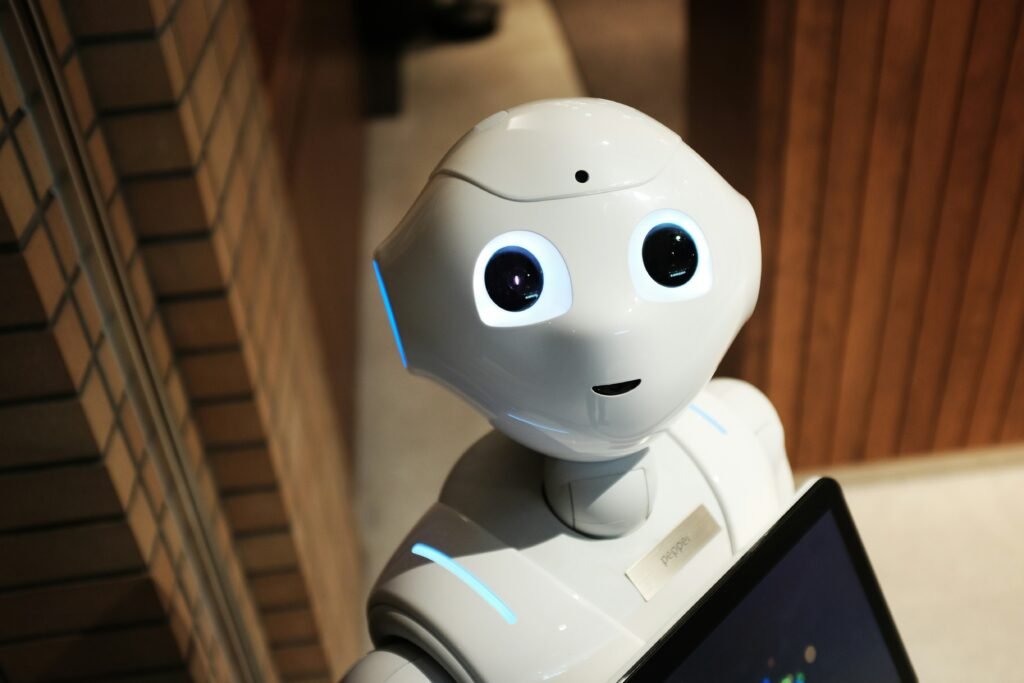
And yet here we are, human beings, still the ones who have to make the calls that matter most, the ones that involve incomplete information, real people with real feelings, ethical grey areas, and the long-term consequences no algorithm can feel.
In 2026, that contrast is sharper than ever. Automation has taken over so much of the routine work that what’s left for us is deeply human: holding space for uncertainty, building trust under pressure, inspiring people when the path isn’t clear, making decisions where the data only tells half the story. These are not things machines can do. They don’t have hearts that race, bodies that carry tension, minds that replay difficult conversations at 2 a.m. They don’t feel the weight of responsibility toward actual human beings.
But here’s the truth we don’t say out loud enough: we are trying to meet these deeply human demands while running on a nervous system that’s often in survival mode. We push through fatigue, override signals of strain, tell ourselves it’s just part of being strong. The body keeps the score anyway. Elevated stress hormones linger. Attention tightens to what’s urgent instead of what’s important. Recovery takes longer each time. We still produce, we still lead, but something essential starts to shrink, the depth of our insight, the warmth in our presence, the steadiness we need to offer others when everything feels unsteady.
The science is straightforward. When the fight-or-flight system stays engaged too long without enough rest and reset, cortisol and adrenaline stay high. The brain narrows its focus to immediate threats. Flexible thinking fades. We make choices that get us through the day but not the year. In leadership roles, this shows up as quicker decisions that miss nuance, conversations that end abruptly, a tone that feels more directive than connective. We may look like we’re keeping it together, but the margin for real leadership, the kind that inspires trust and innovation, gets thinner.
This isn’t about weakness. It’s about biology meeting a world that never stops asking for more. In 2026, the work asks us to be more human precisely because machines are handling the mechanical parts. The roles that remain require empathy, ethical courage, adaptive wisdom, qualities that depend on a regulated nervous system. When we’re depleted, we can’t access them fully. We react instead of respond. We manage instead of lead. Teams feel the difference even if they can’t name it: inconsistency creeps in, psychological safety softens, people start to disengage.
The cost is real. When leaders deplete without replenishing, direction wavers and trust erodes. Innovation slows because risk feels too heavy. Retention drops as people sense the gap between what we say we stand for and how we’re actually showing up.
The hopeful part is that we can change this. It begins with honest, gentle attention to ourselves, not fixing, just noticing. Take ten minutes twice a day to check in: How is my breathing right now? Where is tension living in my body? What is my heart rate telling me? What thoughts are racing? Write down one moment when you felt yourself tighten or shut down. These small acts of courage reveal patterns we usually ignore.
From there, build steady, realistic practices that restore your system. Spend twenty to thirty minutes each day simply paying attention to your breath or the sensations in your body. It isn’t about emptying your mind; it’s about training your system to come back when it wanders. Add movement a few times a week, walking, stretching, anything that feels good and gets your heart moving. It helps balance stress hormones and rebuild resilience. Protect your recovery time: set clear boundaries around when you’re available, honour your rest, model what real balance looks like.
When you bring this into your leadership, magic happens. You start to notice when a team member is carrying unspoken strain. You respond with more presence instead of rushing to fix. You create space for honest conversations. You show that being regulated isn’t selfish, it’s the foundation that allows you to hold space for others.
Organisations that understand this thrive. They train leaders to recognise depletion in themselves and their people. They build schedules with breathing room. They treat nervous system health as essential infrastructure, not an optional extra.
We all stumble. We overthink instead of practise. We set boundaries and then break them. We want instant calm and get frustrated with gradual progress. That’s normal. What matters is coming back to ourselves with kindness and consistency.
In 2026, the human advantage isn’t about out-computing the machines. It’s about staying regulated enough to bring what only humans can bring: depth, empathy, courage, connection. Machines don’t tire or feel. We do. And when we honour that truth, we lead in ways that are steady, wise, and truly human.
If you’re feeling the gap between what you’re capable of and how you’re actually showing up, if you’re leading hard but paying a quiet price in your own well-being, there is a way to reclaim your capacity.
At Verde Vitae, we guide leaders through exactly this: assessing where your system is carrying too much, creating personalised practices that fit your real life, holding you accountable with compassion, and tracking real gains in presence, decision-making, and team impact.
Book a call today. Explore how we can help you lead from a place of regulated strength rather than depletion.
Leave a Reply